Cliff Top Music Festival will not return to Highcliffe
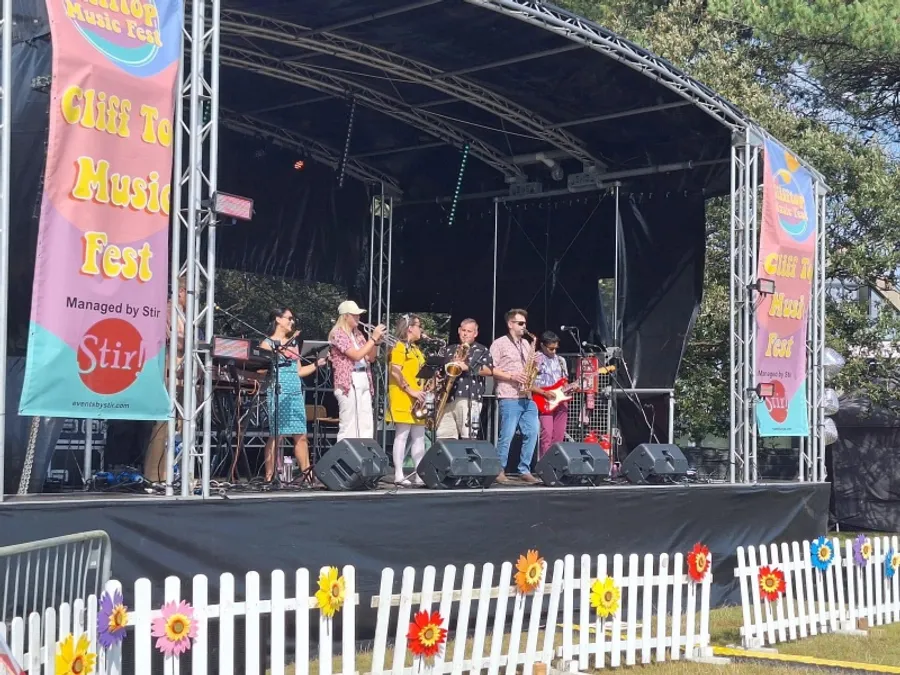
The Cliff Top Music Festival will not take place again in Highcliffe. Organisers Stir Events have cancelled the planned weekend and confirmed they will not return to the town, bringing an end to a community event that had grown from a free one-day gathering into a licensed two-day occasion.
The decision followed months of difficulty. Rising costs for infrastructure, security and services combined with continued objections from some residents and the parish council over noise, antisocial behaviour and traffic. Stir Events, a community interest company, stated that the cumulative pressure had become too great for its small volunteer-supported team to manage.
The festival occupied a green space on the clifftop, a setting that offered sea views and an informal atmosphere but also placed the event close to residential streets. Early editions were free and attracted several thousand people. Later years introduced tickets and expanded the programme of tribute and heritage acts. Attendance remained in the low thousands, large enough to generate local spending yet modest by national festival standards.
Highcliffe and Walkford Parish Council had previously given grant support and later raised formal concerns when organisers sought to lengthen the event. Licensing discussions at Bournemouth, Christchurch and Poole Council resulted in a scaled-back two-day permission with earlier finishing times and noise controls. Even after that compromise, the underlying tensions remained. The parish council described the cancellation as a loss to music lovers while acknowledging the residual public anxiety about disruption.
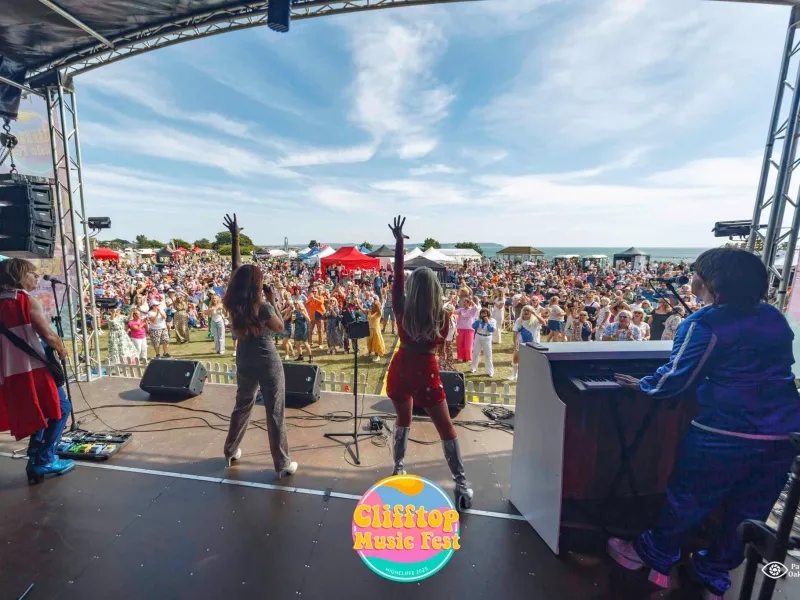
The episode illustrates the practical limits of outdoor music in a residential coastal setting. Clifftop sites offer dramatic backdrops and open space, yet the same openness transmits sound and concentrates vehicle movements on a limited road network. Residents who value quiet evenings and unobstructed access to the coast sit alongside those who welcome the energy and temporary economic activity that a festival brings. Finding a lasting balance has proved difficult.
Highcliffe has hosted other outdoor occasions without the same level of sustained objection. The difference appears to lie in the combination of amplified music, evening hours and the particular geography of the cliff top. Once objections become entrenched, the administrative and financial burden of answering them can outweigh the benefits for a small organiser.
The cancellation leaves a gap in the local calendar. For several summers the festival provided a rare large-scale open-air music event within walking distance of the town centre. Its absence will be felt by those who attended regularly and by the local traders who supplied food and drink. At the same time, the quieter streets and unrestricted access that some residents sought will return.
Stir Events’ decision not to return removes the possibility of further negotiation. The company has chosen to invest its limited resources where it feels collaboration is more readily available. Highcliffe therefore loses not only a particular weekend of music but the prospect of that organiser refining the event in response to local feedback. Whether another group will attempt a similar gathering remains an open question. For the present, the clifftop will remain free of stages and ticket barriers.