Hollywood arrives at Highcliffe Castle as film crews bring economic boost
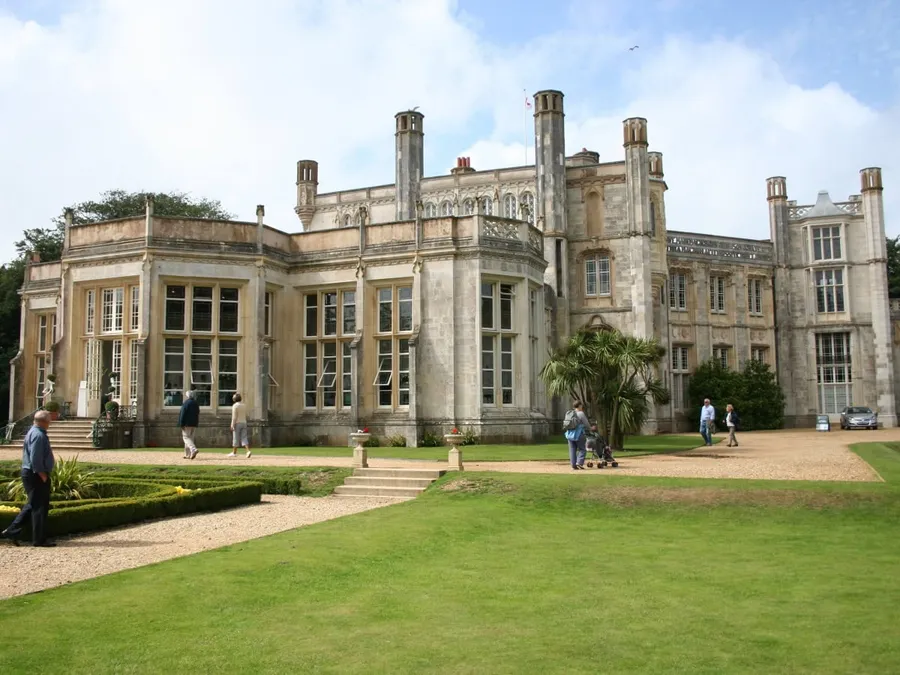
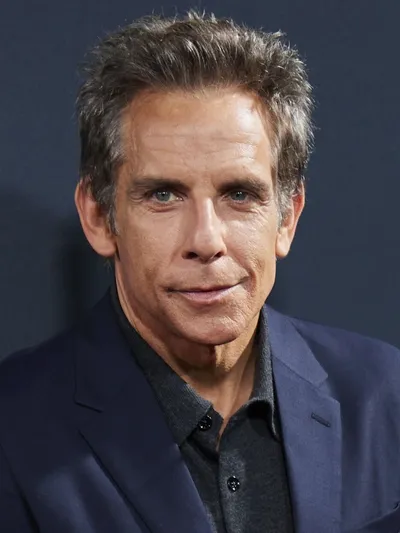
Highcliffe Castle has once again attracted the attention of international film crews, with Hollywood actor Ben Stiller among those working on a Netflix production at the Grade I listed building and nearby beaches. The presence of a major studio project underlines the growing appeal of the Bournemouth, Christchurch and Poole coastline as a filming location.
Council figures estimate that recent film and television work across the area has generated around £250,000 in local economic activity. The money arrives through accommodation, catering, transport and the hire of local services that support production teams while they are on site. For a coastal district that relies heavily on visitor spending, such short-term but concentrated activity offers a useful supplement to the usual tourist trade.
The castle has previously hosted period dramas, factual programmes and stills photography. Production teams value the combination of historic interiors, formal gardens and direct access to the shoreline.
The latest Netflix project (A Matter of Time), a fantasy drama, made use of both the castle grounds and the beaches below. Local residents reported seeing crews and equipment in place for a concentrated period of shooting.
Actors were observed working on the sand and along the cliff paths, with the production choosing the location specifically for its long, open beach and distinctive coastal light.BCP Council has actively promoted the area’s film-friendly credentials. Officers point to the variety of scenery available within a short distance: sandy beaches, historic buildings, harbours and urban waterfronts. The authority argues that this range allows productions to complete multiple sequences without long travel days, reducing costs and logistical complexity. The resulting spend stays largely within the local economy.
For Highcliffe itself the benefits are both immediate and reputational. Hotels and guesthouses accommodate crew members. Cafés and restaurants supply daily catering. Local suppliers provide everything from security to vehicle hire. Beyond the direct expenditure, the appearance of a well-known actor and a major streaming platform brings publicity that no marketing campaign could easily purchase. Images of the castle and coastline circulate online and in trade press, reinforcing the area’s identity as a working film location.
The castle management has long recognised the potential of controlled access for filming. The building’s history as a private residence designed for entertainment makes it adaptable to temporary production requirements. Rooms can be dressed, exterior shots framed against the sea, and the grounds managed to protect both the fabric of the listed structure and the experience of regular visitors once the crews depart.
Not every resident welcomes the temporary disruption that filming can bring. Road closures, restricted beach access and the presence of large vehicles alter the usual rhythm of the cliff top for a few days. Yet the economic case remains strong. The £250,000 figure cited by the council represents spending that would otherwise not occur, supporting jobs in hospitality and services that operate year-round.
Highcliffe’s stretch of coast continues to attract productions precisely because it offers something distinctive. The combination of a landmark building, open water and the practical support of a film-aware local authority has proved effective. As streaming platforms expand their output, the demand for such locations is likely to persist. For the town, each successful shoot adds another layer to the quiet economic contribution that film work now makes to the wider BCP area.